


Listen to this episode of the Crazy Joe’s Drapery and Blinds podcast on Spotify, Apple Podcasts, and Amazon Music. Free in-home consultations across Toronto and the GTA — call (905) 848-2181.
Toronto winters are among the coldest in any major Canadian city. From November through March, temperatures regularly drop to minus fifteen or colder, and even a well-insulated home can feel cold near the windows. The right window treatment fabric makes a genuine, measurable difference in how warm your home feels and how much you spend on heating. This episode is all about choosing the right fabric for energy efficiency and comfort in a Toronto winter.
Why windows lose so much heat. Glass is a terrible insulator. Even a modern double-pane window has an insulation value — measured as an R-value — that's a fraction of what a well-insulated wall provides. In winter, the glass surface facing outside gets cold. That cold surface radiates coldness into the room — technically it's absorbing heat from the warm interior and transferring it outside. This is why you can feel a chill standing near a window on a cold day even if the window is sealed and there's no draft. The window treatment's job in winter is to create a barrier between the cold glass and the warm room. The better that barrier, the more heat stays in your living space and the less your furnace has to work.
Cellular shades — the gold standard for thermal performance. If energy efficiency is your primary concern, cellular shades — also called honeycomb shades — are the product you want. The honeycomb structure creates multiple air pockets within the fabric. Air is a natural insulator, and those trapped pockets of air act as a thermal buffer between the cold glass and your room. The physics is the same principle behind double-pane windows — a layer of trapped air slows heat transfer. Cellular shades come in single-cell and double-cell configurations. Double-cell has two layers of honeycomb cells stacked, creating more air pockets and better insulation. For particularly cold windows — north-facing, older single-pane glass, or windows in rooms that feel consistently cold — double-cell cellular shades are worth the additional investment. The energy savings over a heating season can meaningfully offset the cost difference.
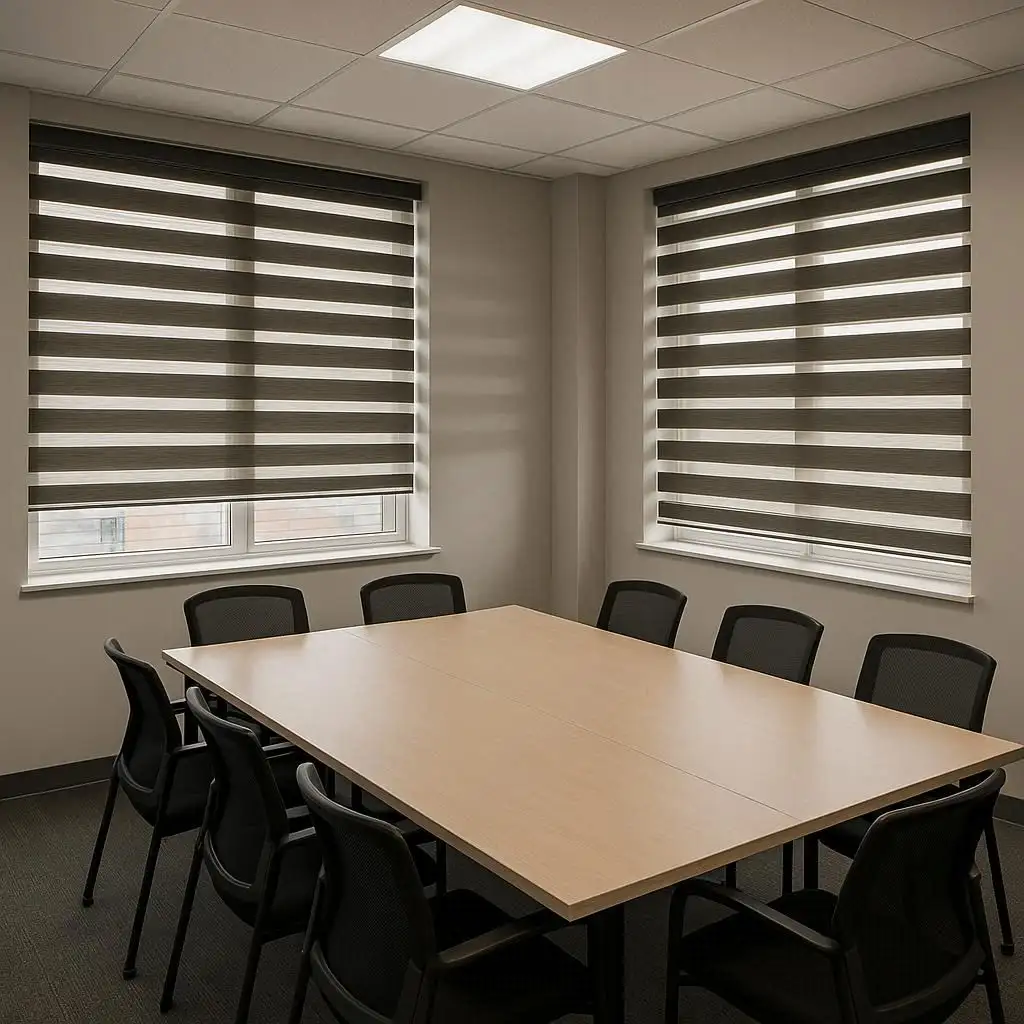
Roller blind fabrics — what to look for in winter. Not all roller blind fabrics are equal when it comes to thermal performance. A sheer roller blind does almost nothing for heat retention — it's designed for light control, not insulation. A thicker, denser fabric — particularly a blackout or room-darkening fabric — creates more of a barrier. The coating on the back of blackout fabrics, which is what makes them opaque, also adds a layer of material that slows heat transfer. When choosing a roller blind for a room that gets cold in winter, ask specifically about thermal performance. Some manufacturers produce roller blind fabrics with specific thermal coatings or backings that improve insulation significantly beyond a standard blind.
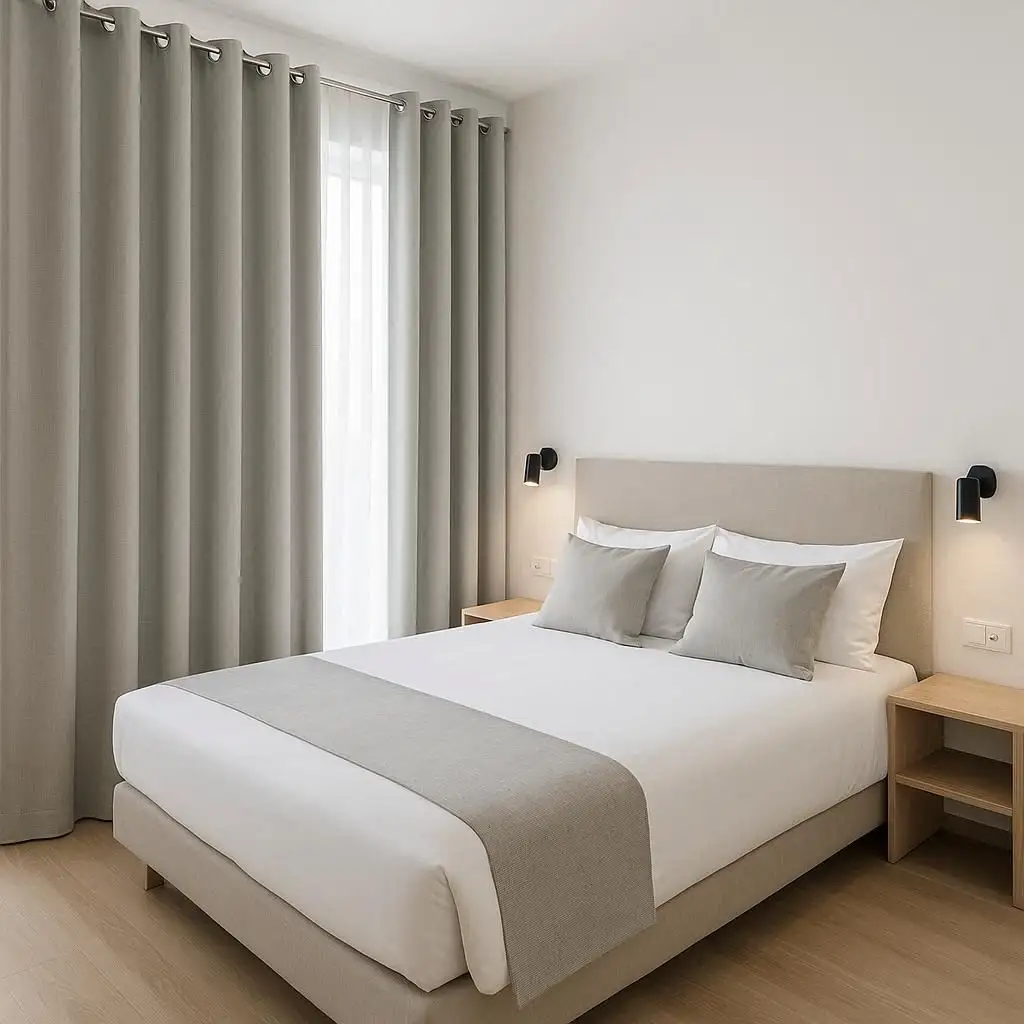
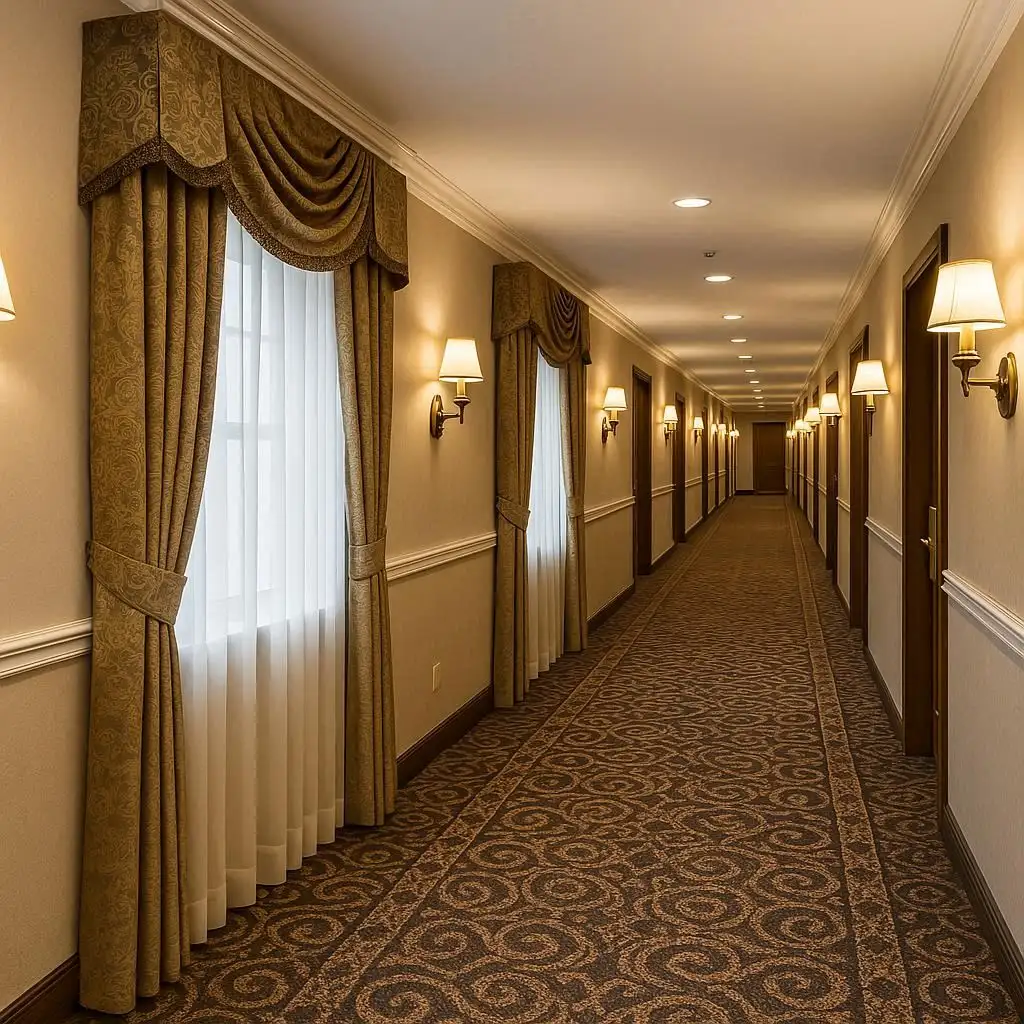
Lined drapes and curtains — a significant and underestimated contributor. Heavy curtains have been keeping homes warmer for centuries, and the principle still holds today. A set of well-lined, full-length curtains pulled closed on a cold winter night provides meaningful insulation at the window. The key word is lined. An unlined curtain is relatively thin and does little for heat retention. A curtain with a proper lining — particularly a thermal or blackout lining — has significantly better insulating properties because the lining adds a second layer of material and creates a small dead air space between the curtain face and the lining. Thermal linings are available in standard and heavy-weight versions. For rooms that you really want to keep warm, heavy thermal lining in a substantial curtain fabric — a wool, a heavy linen, or a velvet — is a genuinely effective strategy.
The layering approach for maximum winter performance. The best thermal performance comes from combining an insulating blind with lined drapes. Here's why this works so well. The blind sits close to the glass and creates the first thermal barrier. The drapes hang over the blind and create a second barrier — a layer of still air between the blind and the drape face that further slows heat transfer. On a very cold night with both a cellular shade and a lined drape closed, you're creating multiple insulating layers between the cold glass and your room. The difference in temperature near that window compared to an uncovered window can be several degrees — enough to feel very noticeable in daily life. This combination also gives you flexibility. On a sunny winter day when solar gain through the window is actually warming your room, open the drapes and let the sun do some of the heating work. Close them again at dusk when heat loss takes over.
Specific window orientations in Toronto. Not all windows lose heat equally. The direction your window faces matters. North-facing windows get no direct sunlight in winter. They're consistently cold surfaces and they're where heat loss is most significant. Prioritize your best insulating window treatment on north-facing windows. South-facing windows get winter sun — which is lower in the sky and shines deep into a room. This is actually valuable in winter. During the day, let it in. It naturally warms the space. Close your treatments at dusk to retain that heat. East-facing windows get morning sun and are cold in the afternoon. West-facing windows get afternoon sun. Both can be managed well with appropriate treatments.
Older windows and the right expectations. If you have single-pane windows — common in older Toronto homes — the most effective long-term solution is window replacement. But that's expensive and disruptive. A high-quality cellular shade can significantly improve the comfort near a single-pane window and reduce heating costs while you plan or save for a larger renovation. For drafty windows where you feel actual cold air movement — not just radiative cold from the glass but actual air coming through — window film, weatherstripping, and caulking are complementary solutions that work alongside window treatments. A good window treatment won't seal a drafty window but it can reduce the impact of that cold air on your comfort.
Installation and fit matter for thermal performance. A cellular shade that doesn't fit snugly inside the window frame leaves gaps around the edges where cold air can circulate. For maximum thermal benefit, inside-mount cellular shades should fit precisely against the frame on all sides. Outside-mount treatments that extend past the frame on all sides actually perform better thermally because they cover the frame itself — which is also a cold surface — and create a larger insulating barrier. Professional measurement and installation ensure you're getting the full thermal benefit of whatever product you choose.
At Crazy Joe's Drapery and Blinds, we've been helping Toronto homeowners survive winters comfortably for over 55 years. We know which products perform and which ones are marketing without substance. Come talk to us about your coldest rooms and your biggest problem windows. We'll recommend something that actually makes a difference.
Crazy Joe’s Drapery and Blinds has been Ontario’s trusted window treatment specialist since 1965. We offer custom drapes, custom blinds, motorized blinds, plantation shutters, roller shades, and drapery hardware — all custom-made in our Toronto factory. Free in-home consultations and free measurements across Toronto, Mississauga, Brampton, North York, Etobicoke, Scarborough, Vaughan, Thornhill, Burlington, Hamilton, Oakville, Ajax, Oshawa, Woodbridge, and Aurora.
Visit crazyjoes.com/ or call (905) 848-2181 to book your free consultation today.